About Us

Home / About Us
About Us

Company Stories

Just in time production in the center of agricultural and oil & gas industries to be responsive to fluctuating needs.

Regional and global supply as back up to each other to prevent from trade disrupts and keep cost competitive.

(???) Aggressive cost control, through in-house capacity in process development, process design, structural design, automation engineering, and full construction, despite a small crew.

Aggressive investment in R&D, innovating in processes that haven’t changed in decades.

Green technologies to avoid costly waste streams. For example, using potassium, instead of sodium to capture chloride, so the waste stream is no longer high concentration salt water, which is difficult to process, but rather potassium chloride, or liquid potassium fertilizer.
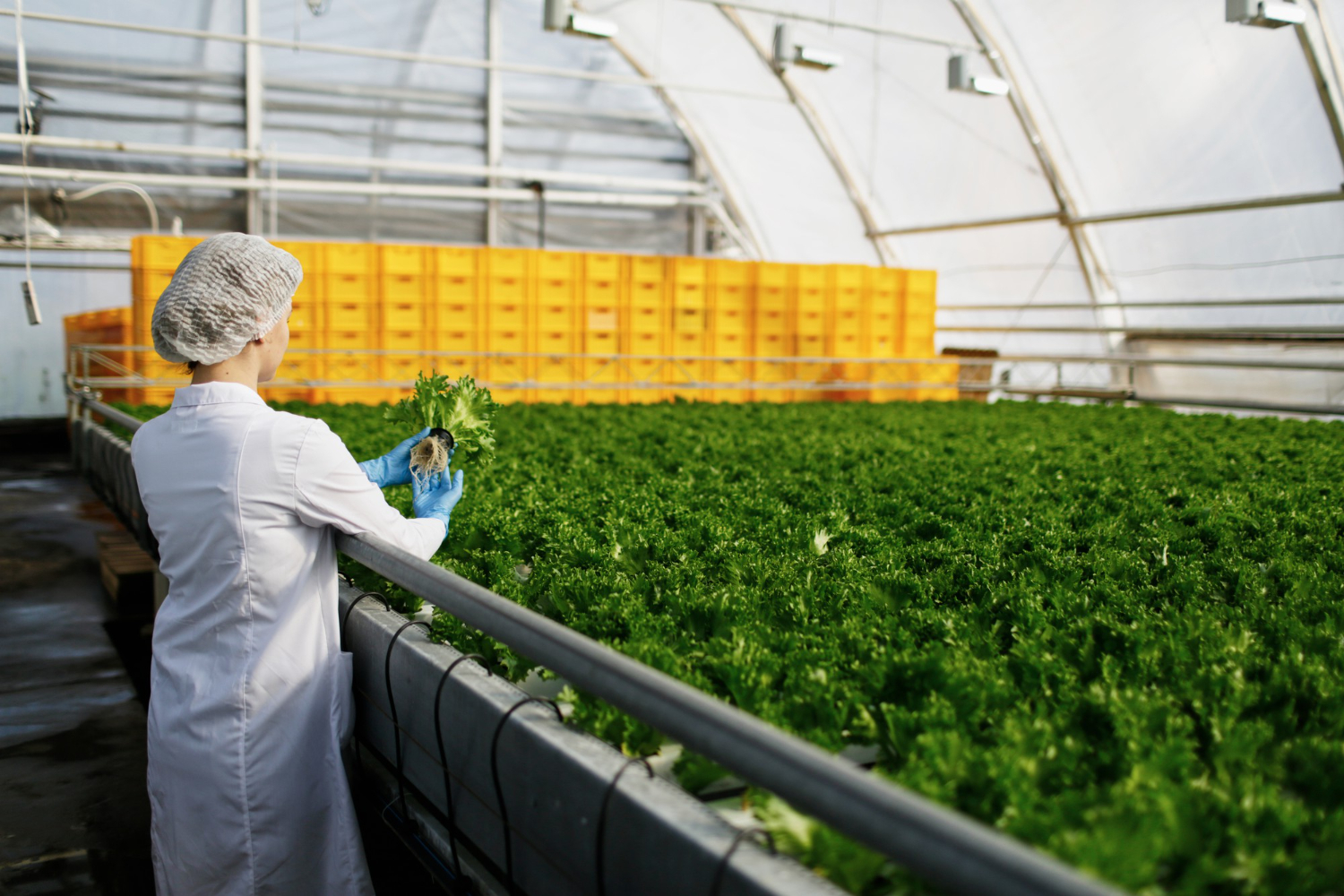
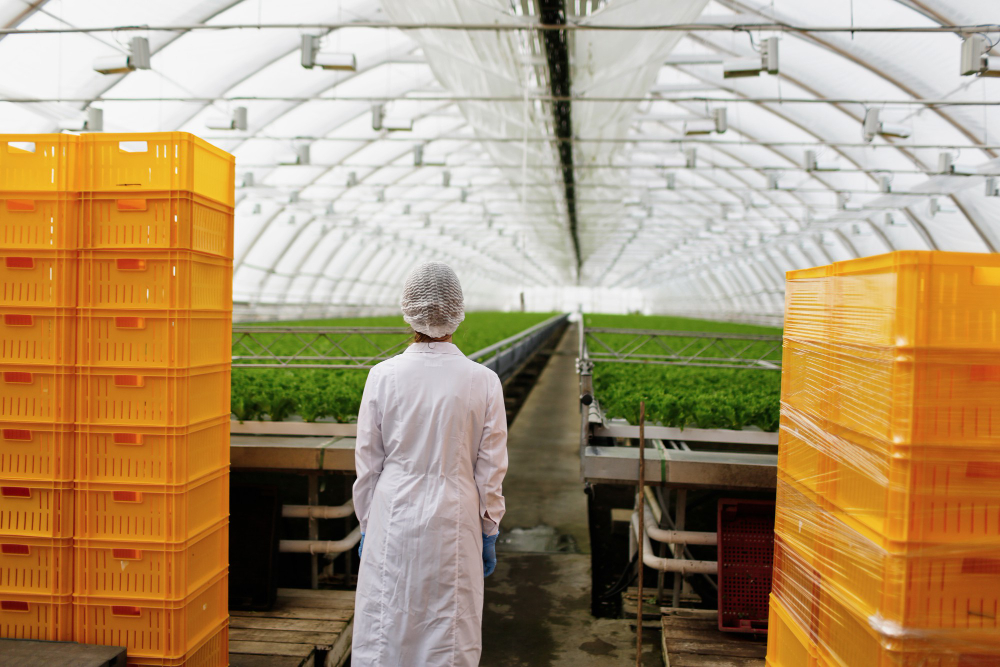
Made in USA! - we should emphasize and have pride in this

Some made in the U.S.A background. About 99% of all generic chemicals used in agriculture are already made in China or India. In fact, high value, branded agrochemicals are now made in China anyways. For example, the second largest herbicide in the world, Glufosinate, used to be made in the U.S. and Germany by BASF, but now BASF has outsourced to China and only slaps on a label.

While made outside of U.S.A. has clear cost advantages and has served the U.S. farmers well, there are a number of issues:

  1. The products made in foreign countries often do not have the same product quality or environmental compliance standards. Independent research funded by United Soybean Board has discovered that some made in China agrochemicals have only 50% of the labelled content. Further, it is a well-published and studied effect that environmental compliance is much weaker in many foreign countries. Made in the U.S. products are subject to the scrutiny of U.S. regulatory agencies. 
  2. The agricultural economy requires just in time production. As the agricultural seasons are becoming more unpredictable, the entire supply chain is weary about stocking up inventory. Instead, they strongly prefer just in time delivery. But procuring from overseas is often a lengthy process. It takes about 1.5 years from planning / projection / ordering / delivery / and sending over through the distribution channel. This makes made in the U.S. impossible. But with physically closeby factories, we are able to make and distribute agrochemicals as orders come in. 
  3. The geopolitical risks and tariff uncertainty cost foreign imports to have unpredictable costs bases and availability (such as 15%-20% cost raises in 2026).